Discover Traditional European Soup Recipes
Soups have long been a staple in European kitchens. They offer warmth, comfort, and a taste of history. I want to share some classic European soup recipes that bring authentic flavors to your table. These recipes are simple, hearty, and perfect for any season.
Exploring European Soup Recipes
European soup recipes vary widely by region. Each country has its own unique ingredients and cooking methods. For example, French onion soup uses caramelized onions and beef broth, while Italian minestrone combines vegetables, beans, and pasta. These recipes reflect local produce and culinary traditions.
When preparing European soups, focus on fresh ingredients and slow cooking. This approach enhances flavors and textures. Many recipes start with a base of sautéed onions, garlic, and herbs. Then, broth or stock is added, followed by vegetables, meats, or legumes.
Here are some popular European soup recipes to try:
Borscht (Eastern Europe): A beetroot soup often served with sour cream.
Goulash Soup (Hungary): A paprika-spiced beef soup with potatoes and peppers.
Minestrone (Italy): A vegetable and bean soup with pasta or rice.
French Onion Soup (France): A rich broth with caramelized onions and melted cheese.
Pea Soup (Scandinavia): A thick soup made from dried peas and ham.
These soups are easy to prepare and use ingredients that are widely available. They also store well, making them ideal for meal prep or large gatherings.

Ingredients and Techniques for Authentic Flavors
To make authentic European soups, use quality ingredients. Fresh vegetables, homemade or good-quality broth, and fresh herbs are essential. Many recipes call for root vegetables like carrots, parsnips, and potatoes. These add depth and sweetness.
Seasoning is important but should be balanced. Salt, pepper, bay leaves, and thyme are common. Some recipes include vinegar or lemon juice to add brightness. Slow simmering allows flavors to meld and develop fully.
Here are some tips for cooking European soups:
Start with a good base: Sauté onions and garlic until soft and fragrant.
Use homemade stock: It adds richness and complexity.
Add ingredients in stages: Hard vegetables first, then softer ones.
Simmer gently: Avoid boiling to keep flavors clear.
Adjust seasoning at the end: Taste and add salt or acid as needed.
These techniques help create soups that taste like they come from a traditional European kitchen.
Classic Recipes to Try at Home
I recommend starting with these classic recipes. They are straightforward and showcase the diversity of European soups.
French Onion Soup
Ingredients: Onions, beef broth, butter, thyme, baguette slices, Gruyère cheese.
Method: Slowly caramelize onions in butter. Add broth and thyme. Simmer for 30 minutes. Top with toasted baguette and cheese, then broil until golden.
Hungarian Goulash Soup
Ingredients: Beef, onions, paprika, potatoes, carrots, bell peppers, garlic.
Method: Brown beef and onions. Add paprika and garlic. Pour in water or broth. Add vegetables and simmer until tender.
Italian Minestrone
Ingredients: Mixed vegetables, beans, pasta, tomatoes, garlic, basil.
Method: Sauté garlic and vegetables. Add broth and tomatoes. Simmer. Add beans and pasta near the end.
These recipes are adaptable. You can substitute ingredients based on availability or preference.
How to Serve and Store European Soups
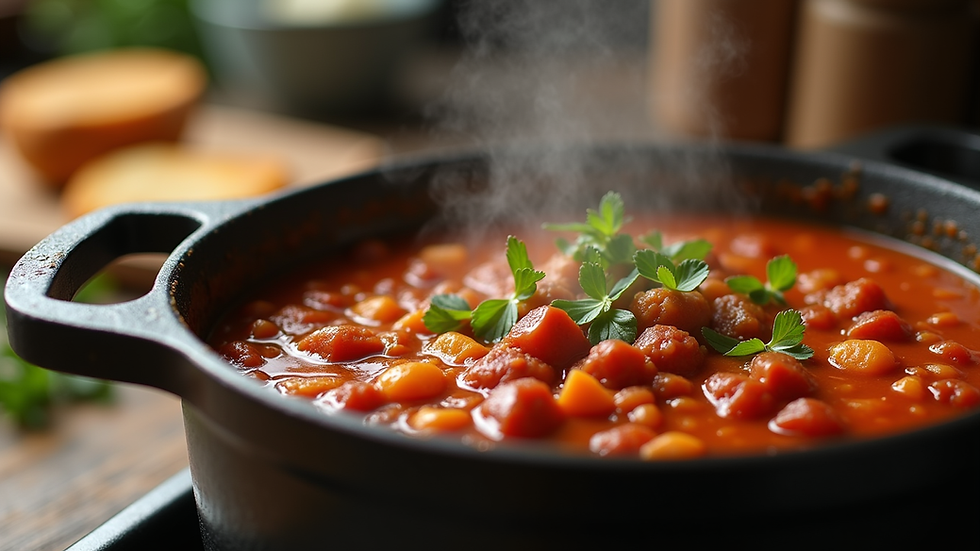
Serving soups properly enhances the experience. Many European soups are served with bread or cheese. For example, French onion soup is traditionally topped with melted cheese and served with crusty bread.
Soups can be a main meal or a starter. Pair lighter soups like vegetable or pea soup with salads. Heavier soups like goulash or borscht work well as a main course.
Storing soups is simple. Most soups keep well in the refrigerator for 3-4 days. They also freeze well. Use airtight containers and label with the date. Reheat gently on the stove or in the microwave.
Bringing European Comfort to Your Table
I encourage you to explore these recipes and enjoy the rich tradition of European soups. They offer more than just nourishment - they connect us to a cultural heritage of simple, wholesome food.
For those interested in sourcing authentic ingredients, traditional european soups provide a great starting point. Using genuine products enhances the flavor and authenticity of your dishes.
By incorporating these recipes into your cooking, you can bring a taste of Europe to your home. Whether cooking for family or wholesale partners, these soups offer comfort and quality that everyone appreciates.


Comments